Luxury fashion and street culture once seemed to belong to completely different worlds. One focused on exclusive designer collections and traditional craftsmanship, while the other developed through music, skateboarding, sports, and everyday city life. Over time, those boundaries began to disappear as designers recognized the creative potential of casual clothing. off white became part of this transformation, introducing experimental details and artistic ideas to footwear that people already loved wearing. Rather than treating sneakers as ordinary accessories, the brand explored their connection to personal identity, contemporary design, and cultural expression. Its approach helped demonstrate that luxury fashion could take inspiration from the streets without abandoning creativity or a recognizable design identity. Today, Off White footwear remains an interesting example of how different fashion traditions can influence one another.
Streetwear developed through communities that valued individuality and practical clothing. Skateboarders needed comfortable shoes and relaxed garments, while hip-hop artists helped popularize distinctive sneakers, graphic shirts, and oversized silhouettes. These styles gradually influenced broader fashion trends as music and youth culture became more visible internationally. Luxury designers began recognizing that streetwear offered something different from traditional formal clothing: a direct connection to everyday experiences. Sneakers became particularly important because they already carried cultural meaning through sports, music, and personal style. The relationship between streetwear and luxury did not develop through one brand alone, but Off White became a recognizable part of this wider movement. Its designs helped show how familiar casual products could be presented through a contemporary luxury perspective.
Virgil Abloh founded Off White in 2013 with an interest in exploring the relationship between fashion, art, architecture, and popular culture. His background encouraged him to approach ordinary objects from unexpected directions. Rather than designing clothing and footwear solely around established luxury traditions, he experimented with materials, symbols, and construction details that people might recognize from everyday life. Industrial-style lettering, quotation marks, arrows, and exposed components became important elements of the brand's identity. These features challenged conventional expectations about what designer products should look like. Abloh's approach also made fashion feel connected to other creative disciplines. A sneaker could reference graphic design, while a hoodie could communicate ideas associated with contemporary art. This willingness to connect different influences helped establish the brand's distinctive position within modern streetwear.
Sneakers had already become culturally important before Off White entered the footwear market, but the brand introduced a recognizable approach to their design. off white sneakers gained particular attention through collaborations that reinterpreted established athletic silhouettes using experimental construction and graphic details. Instead of treating familiar shoes as finished objects that should remain unchanged, Virgil Abloh explored ways to reveal their materials and alter their appearance. Some designs featured exposed foam, contrasting stitching, and printed text that highlighted parts of the shoe normally overlooked. These details appealed to people who appreciated the history of athletic footwear while also enjoying creative experimentation. The result helped bring new attention to the relationship between sneaker design and luxury fashion, demonstrating that footwear could be appreciated for artistic ideas as well as everyday practicality.
One of the most influential chapters in Off White's history came through its partnership with Nike. In 2017, Virgil Abloh introduced "The Ten," a collection that reimagined ten recognizable footwear silhouettes. The project included models such as the Air Jordan 1, Air Max 90, Air Presto, and Converse Chuck Taylor All Star. Rather than relying entirely on new colors, Abloh examined the original construction of these shoes and introduced unexpected changes. Exposed materials, rearranged panels, and distinctive typography created designs that felt familiar and different at the same time. The collaboration attracted attention from traditional sneaker collectors as well as people interested in contemporary luxury fashion. It demonstrated how a sportswear company and a designer label could bring different creative perspectives together while preserving elements of their individual identities.
Deconstruction became an important part of the visual language associated with Off White footwear. Traditional shoe design often emphasizes smooth finishes and neatly concealed construction, but certain Off White releases deliberately revealed elements that would normally remain hidden. Exposed stitching, visible foam, layered fabrics, and unconventional panels encouraged people to look more closely at how sneakers were assembled. This approach created an interesting connection between industrial design and fashion. A familiar athletic shoe could retain its basic shape while appearing noticeably different because of the way its materials were presented. For streetwear enthusiasts, these details offered a fresh interpretation of products they already recognized. For people interested in luxury design, they demonstrated how creative decisions could transform ordinary objects into distinctive fashion pieces.
Graphic elements have long played an important role in streetwear, but Off White developed a particularly recognizable approach to typography and symbols. Quotation marks, industrial references, directional arrows, and printed labels became familiar details across clothing and footwear collections. These elements reflected Virgil Abloh's interest in the relationship between language, objects, and visual communication. On sneakers, printed text could draw attention to a material or a familiar part of the shoe, making an ordinary feature seem more significant. This approach encouraged people to reconsider the purpose of graphics in fashion. Rather than functioning only as decoration, they could introduce an idea or change how someone interpreted a product. The use of these recognizable details helped connect Off White footwear with the brand's broader creative identity.
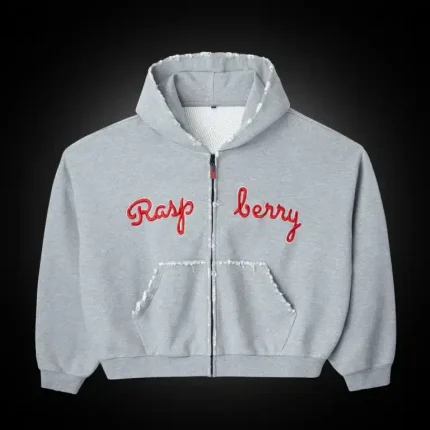
Hoodies and sneakers have shared a connection within streetwear for decades because both offer comfort and casual versatility. An off white hoodie can complement designer footwear by introducing similar creative elements into the rest of an outfit. A graphic sweatshirt worn with straight-leg denim and neutral sneakers creates a relaxed appearance, while a simple hoodie allows more expressive footwear to become the main visual feature. This combination reflects the relationship between luxury fashion and street culture because it brings recognizable designer pieces into familiar everyday outfits. The appeal is not limited to matching garments from one brand. A hoodie can also work with affordable trousers or basic accessories, creating a balanced outfit that feels personal. The strongest styling usually comes from choosing pieces that complement one another rather than wearing several prominent logos at once.
Music has influenced streetwear for generations, shaping the popularity of different silhouettes, footwear designs, and styling choices. Hip-hop artists helped establish sneakers and casual clothing as important parts of personal identity, while other musical communities contributed their own interpretations of street fashion. Virgil Abloh's involvement in music and creative direction gave him a direct connection to this environment. His work demonstrated how fashion could interact with album artwork, performance, architecture, and contemporary visual culture. Off White's popularity among creative communities helped introduce its designs to audiences beyond traditional luxury fashion. However, the brand's cultural connection was not simply a result of public figures wearing its products. Its visual language and experimental design offered ideas that appealed to people interested in creativity across several different fields.
Luxury clothing is often associated with premium pricing, exclusive collections, and recognizable designer names. However, the relationship between luxury and street culture involves more than the cost of individual products. Creative direction, cultural meaning, and the ability to reinterpret familiar objects also contribute to how fashion is understood. Off White became influential because its designs challenged established expectations while remaining connected to everyday clothing. A sneaker could retain the shape of an athletic model while introducing details inspired by industrial design or contemporary art. This relationship between familiar products and experimental ideas helped the brand appeal to different audiences. For fashion enthusiasts, the attraction may come from design history or recognizable aesthetics rather than price alone. The most meaningful luxury pieces often have a creative identity that goes beyond their commercial value.
Footwear can communicate personality

The EL Barbas Hats team shares ideas about modern accessories and ways to style hats for different personal preferences.









Why Entertain Me brings readers the latest entertainment news, celebrity updates, lifestyle trends, and informative stories from around the world.