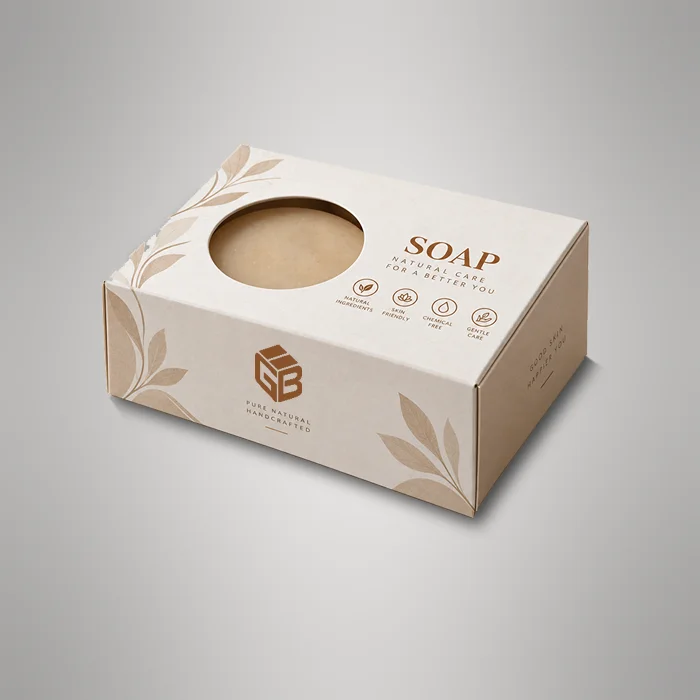
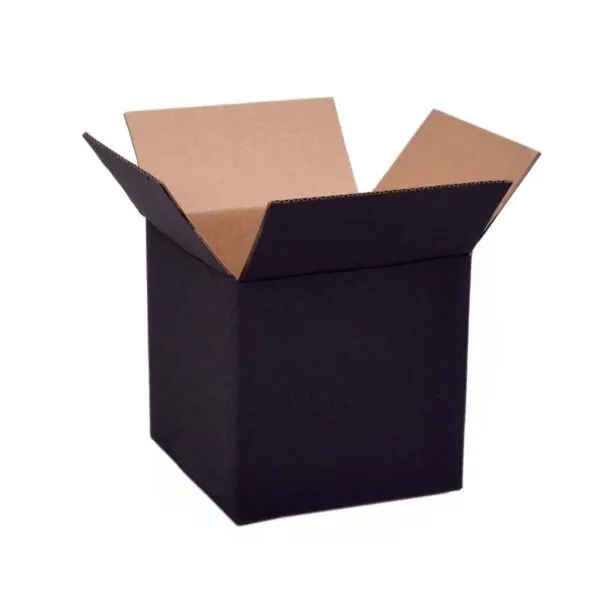
A soap box introduces the product before the customer opens it. Its colors, printed details, and structure help shape the presentation, while the information on its panels explains what is inside. Custom soap boxes bring these elements together in packaging designed around a particular bar, collection, or brand.
The starting point is clarity. A well-considered box should fit the soap, identify the product, and leave enough room for relevant information. Decorative details work best when they support those purposes rather than compete with them.
Before choosing artwork or finishes, establish exactly what the box will contain. Measure the soap in the condition in which it will be packed, including any inner wrapping or additional components.
If the range includes several shapes or sizes, review each one separately. Do not assume that a box developed for one bar will suit every product in the collection.
A useful packaging brief should include:
The soap’s dimensions and packed weight
Any inner wrapping or protective layer
The number of bars per box
Product identification and labeling needs
The intended display and packing process
Whether additional delivery packaging will be used
These details give the designer and supplier a practical foundation.
Confirm whether proposed measurements refer to the internal or external dimensions of the finished box. Account for the space occupied by wrapping, folds, or inserts.
The soap should fit without forcing the panels outward or making the closure difficult to use. Equally, avoid leaving excessive space without a clear plan for positioning the product.
Test a physical sample with the actual bar. Place it inside, close the box, reopen it, and check how comfortably it can be removed.
Review the full range before approving a shared size. A convenient standard format should still work for every product assigned to it.
A fully enclosed carton, a sleeve, or another proposed format creates a different presentation. Choose the structure according to how much of the product should be covered and what information the packaging needs to carry.
If considering an opening or window, discuss its implications for the intended handling and display conditions. Do not add one solely because it looks attractive in a mockup.
Check assembly and closure as part of the design process. The package should be manageable for the people filling it as well as for the customer opening it.
Each structural feature should serve a defined purpose.
Ask the supplier to identify the proposed board, printing, coatings, adhesives, and any window material or inner wrapping.
Discuss whether the soap will touch the carton directly and what assessment is appropriate for the complete arrangement. Material selection should follow the actual product and storage conditions rather than a general packaging description.
Request samples and review them with the soap under its intended conditions. Record any concerns about appearance, handling, or changes to the packaging for further discussion.
Keep the approved construction documented so repeat orders can be checked against the same specification.
Establish a clear hierarchy between the brand name, soap name, variant, and supporting details. Customers should not have to search through decorative text to identify the product.
Reserve space for the information required for the specific soap and intended market. Have the labeling reviewed by an appropriately qualified person before the artwork is finalized.
Depending on the product and applicable requirements, the layout may need to accommodate details such as ingredients, quantity, responsible business information, batch identification, and relevant directions or warnings.
Do not shrink important wording simply to preserve a decorative layout.
Descriptions should reflect the product’s actual characteristics and the evidence available to support them.
Avoid adding medical, safety, or environmental claims because they sound appealing. Words such as “healing,” “hypoallergenic,” “chemical-free,” or “eco-friendly” should not become casual substitutes for a precise description.
Distinguish between a fragrance description and a claim about what the soap will do. Likewise, separate statements about the packaging from statements about the product inside.
Review the overall impression created by text, symbols, and illustrations—not just individual phrases.
Use the business’s established logo, colors, and typography as the starting point. A soap box should feel connected to the rest of the product range and other brand materials.
A restrained direction might use a simple wordmark and a limited palette. A more expressive design could include botanical illustrations, geometric patterns, or original artwork.
For several variants, decide which elements remain consistent and which distinguish individual products. Include written variant names rather than relying on color alone.
Review the design at its actual printed size and on an assembled sample.
A finish should contribute to the intended presentation without making the design unnecessarily complicated.
A textured surface, subtle raised detail, or limited metallic accent may provide enough distinction. Compare representative samples before deciding how several treatments will work together.
Inspect corners, folds, edges, and printed lettering. Check whether the finish leaves essential information readable and whether the surface remains appropriate for normal handling.
Keep environmental statements tied to documented characteristics of the finished package. A brown color or natural-looking texture should not be treated as evidence of an environmental benefit.
Run a trial with the people responsible for preparing the products. Check how easily the boxes assemble, how the soap is inserted, and whether closures remain neat.
Include any labels, seals, or inner wrapping used in the final process. Identify steps that require repeated adjustment or make inspection difficult.
Review the package in its intended display position. Confirm that the product name and variant remain visible and that similar-looking products can be distinguished.
Assess the delivery arrangement separately if orders will be shipped. The retail carton should not automatically be treated as sufficient transport protection.
Compare quotations using matching dimensions, materials, printing, finishes, and included components. Clarify sampling, artwork preparation, delivery terms, and order quantities.
Choose a volume that reflects realistic demand and available storage. Consider whether product information, seasonal artwork, or branding may change before the packaging is used.
Before production, check the final artwork alongside the physical sample. Confirm fit, spelling, product details, panel orientation, and the approved material specification.

This post has been authored and published by one of our premium contributors, who are experts in their fields. They bring high-quality, well-researched content that adds significant value to our platform.





Why Entertain Me brings readers the latest entertainment news, celebrity updates, lifestyle trends, and informative stories from around the world.